Britain's Gambling Market Expands to £17.5 Billion in Latest Annual Figures
Ellis Otto · Nov 7, 2026

Britain's Gambling Market Expands to £17.5 Billion in Latest Annual Figures
The UK Gambling Commission’s annual CEO Briefing has laid out the numbers for Great Britain’s gambling sector in the financial year ending March 2026, and the total Gross Gambling Yield reached £17.5 billion after a 4.4 percent rise, according to the figures released in the report. Online casino activity supplied the entire net increase, adding £736 million in GGY while the overall sector posted a net gain of just £728 million, which means other channels combined either held steady or posted small declines that offset part of the remote growth.
Remote casino, betting, and bingo together hit £8.3 billion, marking a 6.9 percent advance over the prior year, whereas land-based venues recorded a more modest 1.1 percent lift. Observers note that these channel-specific movements paint a clear picture of where momentum currently sits within the regulated market.
Breakdown of Growth Drivers
Acting Chief Executive Sarah Gardner presented the annual CEO Briefing, and the data it contained shows online casino as the sole driver pulling the overall total higher, because the £736 million it contributed exceeded the sector-wide net growth by a small margin. That slight overshoot indicates that every other segment taken together produced a combined £8 million contraction that the remote casino surge had to overcome. The remote category encompassing casino, betting, and bingo reached £8.3 billion after rising 6.9 percent, which demonstrates continued expansion in digital channels even as physical venues advanced at a slower pace.
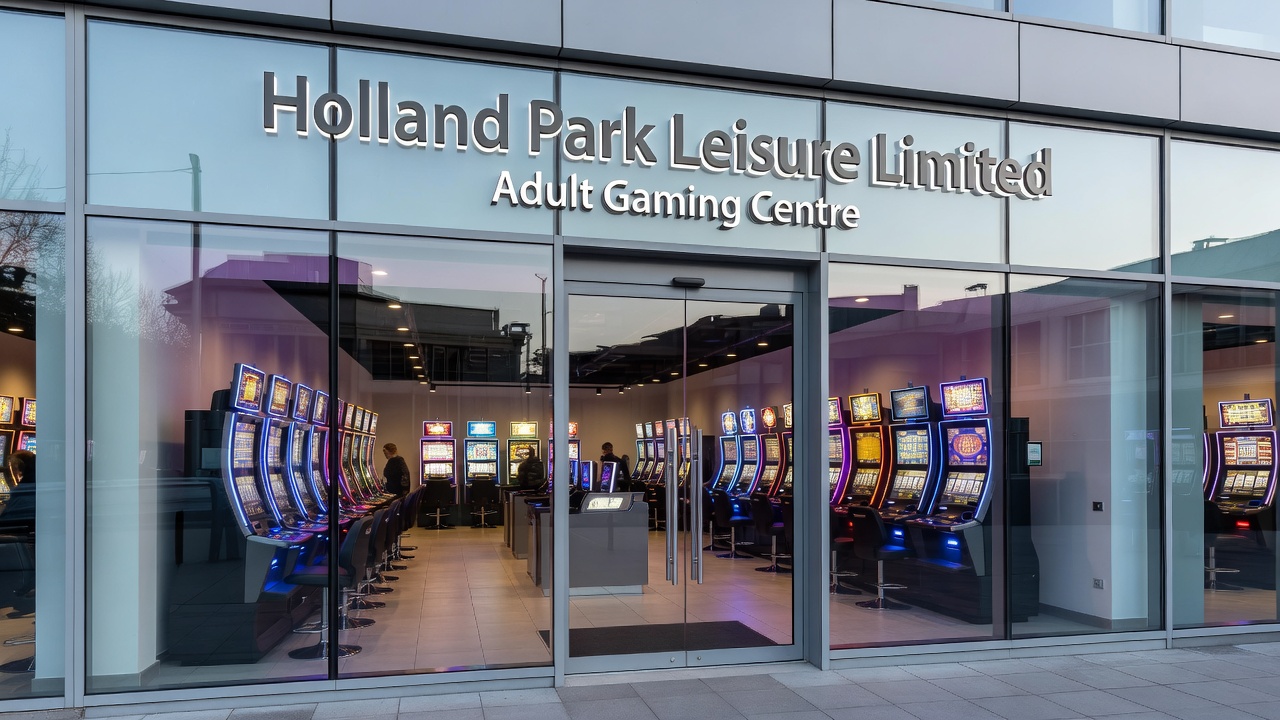
Land-based GGY increased by 1.1 percent, a figure that reflects limited movement across betting shops, casinos, bingo halls, and arcades when measured against the stronger online performance. Those who track these statistics point out that the contrast between remote and land-based results has widened over successive reporting periods, yet the latest briefing simply records the outcome without assigning causes.
Channel Comparison in Detail
When the remote total of £8.3 billion is set beside the land-based result, the difference in growth rates becomes evident, and the briefing data isolates online casino as the component responsible for nearly all forward movement. The £17.5 billion overall GGY represents the sum of every licensed operator’s yield across Great Britain for the twelve months ending March 2026, and the 4.4 percent year-on-year rise places the market at its highest reported level to date under the current regulatory framework.
People who examine the component parts find that remote casino, betting, and bingo together accounted for the largest share of the total, while land-based operations contributed the remainder. The 6.9 percent increase recorded by the remote group outpaced the 1.1 percent land-based gain by a substantial margin, and the briefing presents these percentages as straightforward calculations derived from operator submissions.
The CEO Briefing also notes that the financial year in question concluded in March 2026, and the report itself appeared several months later, allowing time for full data compilation and verification. In November 2026 the industry continues to reference these published totals when discussing market scale, because they remain the most recent comprehensive set released by the Commission. Operators and analysts alike consult the same dataset when updating internal projections or preparing submissions for the next reporting cycle.
Context Within the Regulated Market
The Gambling Commission collects GGY figures directly from licensed operators, and the annual CEO Briefing serves as the primary public vehicle for sharing aggregated results each year. The 2026 edition, delivered by Acting Chief Executive Sarah Gardner, therefore supplies the authoritative reference point for the £17.5 billion total and the channel-by-channel splits that accompany it. Those who follow regulatory releases observe that the briefing format typically includes both headline numbers and selected breakdowns, which allows readers to see how different segments performed relative to one another.
Because the briefing limits itself to verified operator data, the statistics it contains carry the weight of official records rather than estimates or projections. The £736 million added by online casino, the £8.3 billion remote total, and the 1.1 percent land-based increase all derive from the same source and appear in the same document, which keeps the information consistent across any subsequent discussion.
Implications for Market Structure
The fact that a single category, online casino, accounted for more than the entire net sector growth underscores the concentration of expansion within remote channels, and the briefing records this outcome without further commentary. Land-based venues, by comparison, contributed a smaller incremental amount that nevertheless still produced the 1.1 percent rise for that group. Observers who review multi-year trends can place the 2026 results alongside earlier briefings to identify whether the current pattern of remote-led growth continues or shifts.
The Commission’s website hosts the full CEO Briefing speech and accompanying data tables, so anyone seeking the complete set of figures can access them directly from the regulator. The link between the published numbers and ongoing market monitoring remains straightforward, because the annual release provides the baseline against which future performance will be measured.
Conclusion
The 2026 CEO Briefing therefore supplies a clear snapshot of Great Britain’s gambling sector at £17.5 billion in GGY, driven almost entirely by the £736 million contribution from online casino within the remote category that reached £8.3 billion overall. Land-based operations posted their 1.1 percent increase against this backdrop of stronger digital performance. The data stand as the official record for the financial year ending March 2026, and they continue to inform discussions well into November 2026 and beyond.